Purring in the Mix: How Lo-Fi Producers Are Turning Cat Vocals Into Their Most Recognizable Sound

Photo by Photo by Jose Zuniga on Unsplash on Unsplash
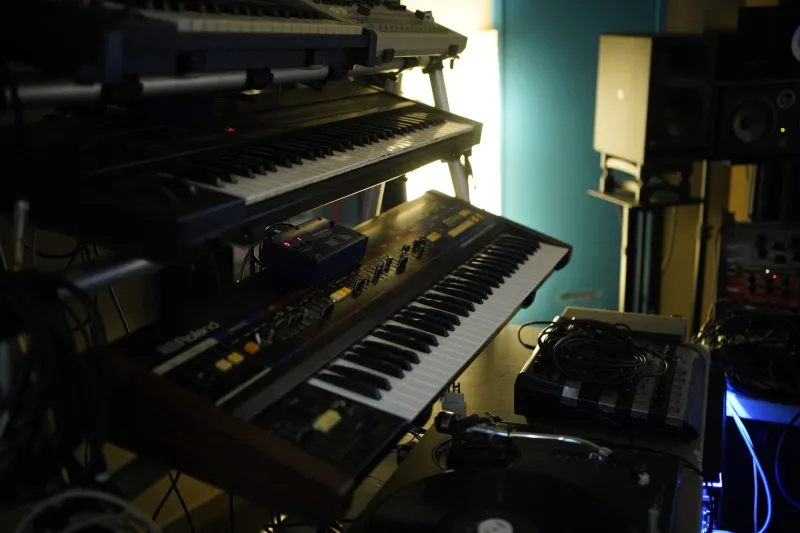
There's a moment in a track by Portland-based producer Elliot Marsh — who records under the name Velvet Static — where everything drops out except a low, rumbling purr layered under a Rhodes chord. It lasts maybe four seconds. But listeners have clipped that moment and posted it across TikTok, Reddit, and Discord servers more times than Marsh can count.
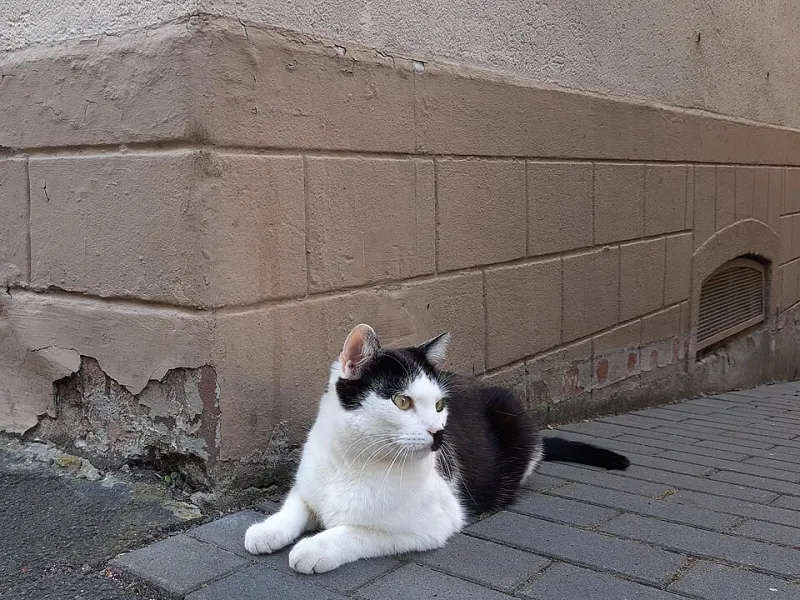
"I didn't plan for that to be the thing people latched onto," he says. "My cat Biscuit just happened to be on my lap when I was tracking that section, and I had a mic open. When I heard it back, I thought — that is the bassline."
That kind of happy accident has quietly evolved into something far more deliberate across the lo-fi and ambient indie scene. A growing number of independent producers aren't just dropping a meow into a track for laughs. They're building entire sonic identities around feline vocalizations — sampling, processing, and layering cat sounds with the same care a session musician might give to a guitar tone or a synth patch.
More Than a Gimmick
Let's be honest: the internet has been using cats for content since before most of today's lo-fi fans were born. So the instinct is to assume that any music leaning into cat sounds is riding a meme wave. But spend an hour actually listening to what artists like Velvet Static, Chicago's June Halo, or LA-based ambient producer Sofía Reyes (who records as Cielito) are doing, and that assumption falls apart pretty fast.
Reyes, who has built a Bandcamp following of over 12,000 listeners almost entirely through word of mouth, describes her use of cat vocalizations as "textural, not decorative."
"I have three cats," she explains. "And each one has a completely different vocal quality. My oldest, Marigold, has this low, gravelly chirp she does when she's watching birds. I've pitched it down, run it through a tape emulator, and used it as a pad underneath string samples. Most people who hear it have no idea what they're listening to. They just feel it."
That's the key word: feel. Several producers working in this space talk about the psychological effect of feline sounds on listeners — and it turns out there's something real happening beneath the surface.
The Science of the Purr
Researchers have documented that cat purring typically falls in a frequency range between 25 and 150 Hz, a zone that overlaps significantly with the kind of sub-bass and low-mid warmth that makes lo-fi music feel physically comforting. It's not a coincidence that a genre built around cozy aesthetics and stress relief would find an unlikely ally in an animal that literally vibrates at calming frequencies.
"When I started layering processed purrs under my ambient tracks, I noticed my listener retention went up," says June Halo, whose real name is Marcus Webb. "Not dramatically, but noticeably. People were staying in the track longer. I think there's something primal about it. We've lived alongside cats for thousands of years. That sound means safety to a lot of people on some level they can't articulate."
Webb is careful not to oversell the science — he's a beatmaker, not a neuroscientist — but the anecdotal evidence from his own streaming data tracks with what researchers in bioacoustics have suggested about low-frequency vibrations and the nervous system.
How They're Actually Building the Sounds
The technical side of this is where things get genuinely interesting for producers. Getting a usable cat vocal sample isn't as simple as holding up your phone while your cat meows at the food bowl. The artists doing this seriously have developed real workflows.
Velvet Static uses a small-diaphragm condenser mic positioned low to the ground — closer to where his cats naturally vocalize — and records in 32-bit float to capture the full dynamic range of everything from a whisper-quiet trill to a full yowl. "Cats are unpredictable," he laughs. "You have to record a lot and edit ruthlessly."
From there, the processing chains vary widely. Reyes favors running her samples through a tape saturation plugin followed by heavy low-pass filtering, which removes the higher frequencies and leaves a warm, almost unrecognizable texture. Webb takes a different approach — he pitches cat chirps up into melodic territory, sometimes layering three or four samples at different intervals to create chord-like clusters that sit in the upper register of a track.
"I've gotten messages from people asking what synth I'm using," Webb says. "When I tell them it's my cat Duchess, they either think it's the coolest thing they've ever heard or they're completely weirded out. There's no middle ground."
Standing Out in a Saturated Genre
Lo-fi as a genre has a visibility problem that its own success created. The aesthetic is so widely replicated — the same vinyl crackle, the same muffled drums, the same jazzy chord progressions — that standing out has become genuinely difficult. For producers who've committed to building their sound around cat vocalizations, that signature has become a practical competitive advantage.
"My listeners know within two seconds that they're in a Cielito track," Reyes says. "That kind of instant recognition is something a lot of producers spend years trying to build. I built it accidentally by just being honest about who I share my studio with."
That authenticity angle matters to the audience, too. In a genre that markets itself heavily on chill vibes and personal connection, the story behind the sound carries real weight. Fans of these artists don't just stream the music — they follow the cats. Reyes posts regular updates about Marigold, her two younger cats Pico and Sage, and the recording sessions they interrupt. That content loop feeds directly back into streams and Bandcamp sales.
What Comes Next
None of the producers we spoke with think this is a trend with an expiration date. If anything, they see the space opening up rather than closing.
"I think we're still in the early days of people understanding that animal sounds are a legitimate instrument category," says Webb. "Field recording has been respected in experimental music forever. We're just doing that, but the field is our living room and the instrument is our cat."
Velvet Static is currently working on a full-length project that he describes as "a concept album where every melodic element either is or was inspired by a cat sound in some way." He's been at it for eight months and says he's about halfway through.
"People keep waiting for the joke," he says. "But there isn't one. This is just music. Biscuit is just a collaborator."
Honestly? After hearing what these producers are making, that framing doesn't sound strange at all. It sounds like exactly where independent music should be going — weird, personal, and completely its own thing.