Recording After Midnight: How Indie Artists Are Letting Their Cats Set the Studio Schedule

Photo by Photo by Vladyslav Tobolenko on Unsplash on Unsplash
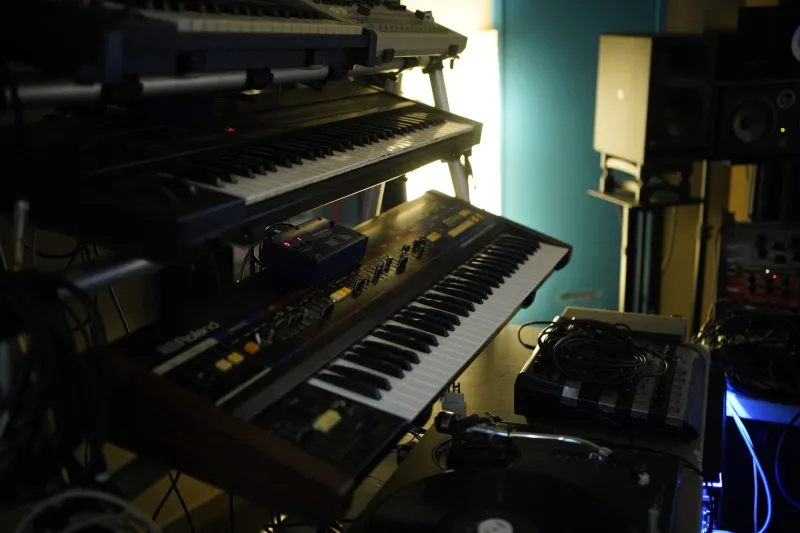
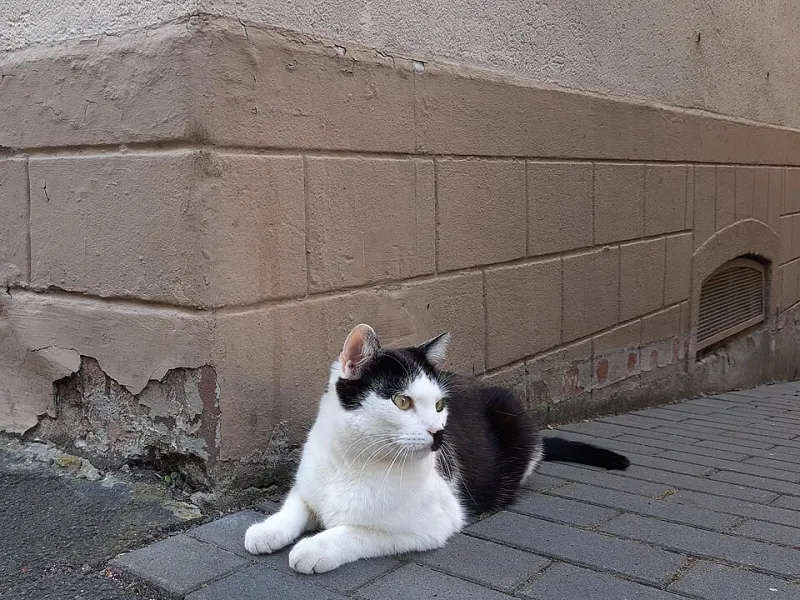
There's a moment every bedroom producer knows. You've finally got the room quiet, the mic levels dialed in, the vibe locked — and then your cat walks directly across the keyboard, drops a perfectly timed meow into the take, or decides your lap is the only acceptable place to exist on the entire planet. It's maddening. It's also, apparently, changing the way indie artists make music.
Across the US, a growing number of independent musicians are doing something that sounds a little chaotic but makes a lot of sense once you hear it: they're structuring their recording sessions around their cats' behavior patterns. Not fighting the feline schedule. Following it.
Why Cats and Microphones Don't Mix (At First)
Anyone who's tried to record vocals in a small apartment with a cat knows the struggle. Cats are, by nature, drawn to activity, warmth, and attention — which means the moment you pull out a condenser mic and start treating your bedroom like Abbey Road, your cat is absolutely going to want in on it.
The science behind this isn't complicated. Domestic cats are crepuscular, meaning they're naturally most active around dawn and dusk. But indoor cats, especially those in apartments or small homes, often shift toward more nocturnal patterns depending on their owner's routine. That means if you're a night owl producer running sessions from 10 PM to 2 AM, your cat might be running laps around your studio setup right alongside you.
Low-frequency hums from gear, the subtle vibrations of a subwoofer, the physical warmth of a laptop — these are all things that pull cats in. And once they're in, getting a clean take becomes a negotiation.
The Producers Who Stopped Fighting It
Sam Delacroix, a lo-fi producer based out of Austin, Texas, says he spent the first two years of his home studio life treating his cat, a tabby named Gus, like a scheduling problem to be solved. Closed doors, baby gates, elaborate distraction setups involving toy mice and treat puzzles. None of it worked consistently.
"Gus would just sit outside the door and scratch," Sam says. "Which, if you've ever tried to record anything delicate, you know that sound cuts through everything. It's like a metronome of chaos."
The shift happened when Sam started paying attention to when Gus naturally went still. Around 11 PM most nights, after a burst of evening energy, Gus would settle into a deep sleep that lasted a few solid hours. Sam started pushing his serious tracking sessions — vocals, acoustic guitar, anything needing clean audio — into that window. The results were immediate.
"I got more done in those three hours than I used to get done in an entire weekend," he says. "And the stuff I was making felt different. Quieter in the right way. More focused."
The Accidental Creative Breakthrough
Not every producer is trying to record around the cat, though. Some are leaning into the interruptions entirely — and finding that the chaos is doing something interesting to their creative process.
Maya Okonkwo, who makes ambient electronic music under the project name Velvet Drift out of Portland, Oregon, started documenting her cat Biscuit's interruptions as a kind of running joke on her socials. A clip of Biscuit sitting directly in front of her monitor mid-session, blocking her DAW, got shared a few thousand times. But what surprised Maya wasn't the attention — it was what happened creatively in those interrupted sessions.
"When Biscuit forces me to stop, I come back to the track with fresh ears," she explains. "It's like an involuntary reset. I'll be deep in something, she'll demand attention for ten minutes, and when I sit back down I hear the mix completely differently. Stuff I was obsessing over sounds fine. Stuff I thought was fine suddenly sounds wrong."
Maya's now built short breaks into her sessions intentionally, using them as a kind of low-fi A/B listening strategy. "Biscuit is basically my mastering engineer at this point," she laughs.
Reading the Room (and the Cat)
What's interesting about the indie producers leaning into this approach is how intuitive it becomes over time. Learning your cat's rhythms — when they're restless, when they're deep asleep, when they want engagement — starts to sync up with your own creative energy cycles in ways that feel less like compromise and more like collaboration.
Jordan Fitch, a hip-hop beatmaker from Atlanta who runs sessions out of a converted spare bedroom, describes it as learning a second language. "Once you know your cat's schedule, you start to know your own better," he says. "I know I'm sharpest creatively in that late-night window anyway. My cat crashing out at 11 just confirmed what I already suspected about myself."
Jordan's setup now includes what he calls a "cat station" — a heated blanket on a chair next to his desk that draws his two cats, Pepper and Salt, away from his equipment during sessions. "It cost me like forty bucks and saved me probably hundreds of hours of frustration," he says.
The Bigger Picture: Reframing the Creative Space
There's something genuinely worth sitting with here beyond the practical workarounds. The indie music world has spent a lot of energy trying to professionalize the home studio — better gear, better treatment, better workflow apps. And that's all useful. But what the cat-schedule producers are quietly demonstrating is that the home studio is, by definition, a living space first. It has rhythms that aren't on the clock.
Working with those rhythms instead of against them isn't giving up on professionalism. It's a different kind of discipline — one that's less about controlling your environment and more about reading it.
And honestly? Some of the most interesting independent music coming out of home studios right now has that quality to it. A little unguarded. A little alive. The kind of thing that doesn't sound like it was made in a vacuum.
Maybe that's the cat's contribution. Maybe the interruptions, the forced pauses, the negotiated silences — maybe they're leaving fingerprints on the music in ways we can't quite quantify but can absolutely hear.
Or maybe Gus just really likes the vibe.
Either way, the sessions keep rolling after midnight. And the cats, apparently, have notes.