3 AM and Thriving: How Cat-Owning Indie Artists Are Turning Feline Night Shifts Into Their Most Productive Studio Hours
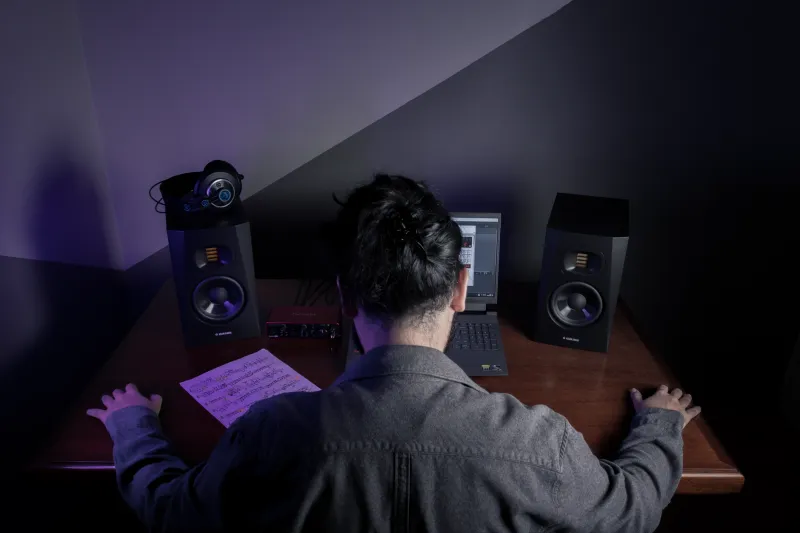
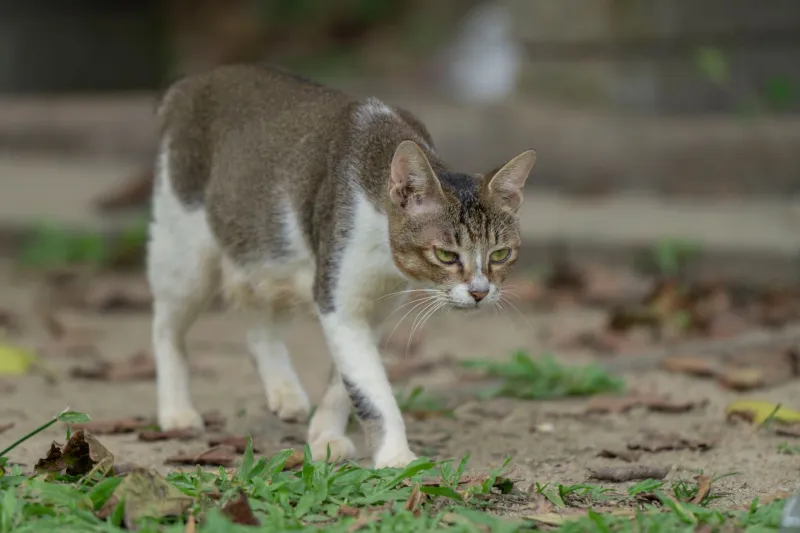
It starts the same way for a lot of people. You've been staring at a half-finished arrangement since 9 PM, nothing's clicking, and you're about to call it a night. Then your cat materializes out of nowhere — jumping onto the desk, knocking over a water bottle, weaving between your monitor speakers like they own the place — and something in your brain just... unlocks.
This isn't a coincidence. And more indie artists than you'd expect are starting to take it seriously.
Across home studios in Los Angeles, Chicago, Nashville, and everywhere in between, a quiet phenomenon has been building. Cat-owning musicians are logging their most creatively explosive sessions not during the golden afternoon hours or the focused post-work evening window, but deep in the middle of the night — right around the time their cats decide the world needs their full attention.
The Crepuscular Clock Nobody Warned You About
Here's the biology piece that makes all of this make sense. Cats aren't technically nocturnal — they're crepuscular, meaning their natural energy peaks land at dawn and dusk, with a second wind that often extends well past midnight depending on the individual animal and their environment. Indoor cats, especially those in apartments where artificial light and climate control blur seasonal cues, can shift those peaks even later.
What that means practically is that your cat isn't randomly losing its mind at 2 AM out of spite. It's running on a deeply embedded biological schedule that humans spent thousands of years accidentally syncing with by staying up late around fires.
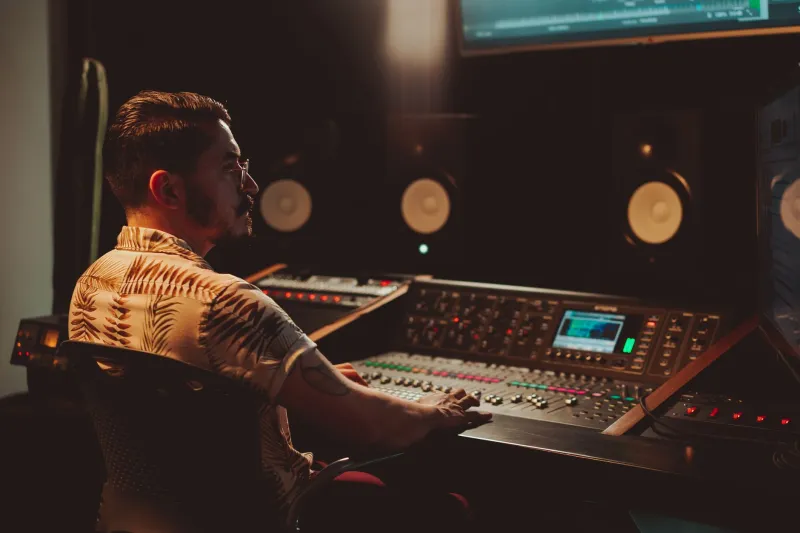
For indie producers who already skew toward late-night sessions — partly out of necessity, partly because the world gets quieter and less interruptible after midnight — this creates an unexpected alignment. The cat is up. The producer is up. And something about that shared wakefulness in an otherwise silent house creates a specific kind of atmosphere that artists keep describing in similar terms: focused but loose, alert but not anxious, like the pressure valve has been released.
What the Brain Is Actually Doing at That Hour
Sleep researchers have been documenting for years that the hours between roughly 11 PM and 3 AM represent a genuinely distinct neurological state for people who are still awake and active. Prefrontal cortex activity — the part of your brain responsible for self-editing, second-guessing, and filtering — starts to quiet down. Inhibitions drop. The internal critic that tells you a chord progression sounds derivative or a lyric is too obvious loses some of its grip.
This is why late-night conversations feel more honest, why comedians often say their best material comes to them in the middle of the night, and why a lot of iconic records were tracked in the early morning hours. The brain is running on a different operating system.
Now add a cat actively engaging with the space — walking across a keyboard, sitting directly in front of a screen, chirping at something only they can perceive — and you've introduced a low-stakes interruption that forces micro-breaks in concentration. Neuroscientists studying creative cognition have found that these brief, involuntary mental resets can actually accelerate problem-solving by preventing the kind of tunnel vision that makes you keep trying the same non-working approach over and over.
In other words, your cat walking across your MIDI keyboard at 1:30 AM might be doing more for your track than another hour of deliberate editing.
Artists Who've Leaned Into It
Talk to enough independent musicians and you'll start hearing versions of the same story. A bedroom producer in Atlanta describes the track that finally got her playlist placements as something she assembled almost accidentally between 2 and 4 AM while her cat, a three-year-old tortoiseshell named Biscuit, kept batting at her headphone cable. "I wasn't trying to make anything serious that night. I was just messing around because Biscuit was up and I couldn't sleep anyway. That looseness is all over the track and people keep telling me it feels effortless."
A singer-songwriter based in Portland talks about using his cat's nighttime restlessness as a kind of creative alarm system. "Mochi starts doing laps around 12:30 and that's honestly my cue to get to the piano. I've stopped fighting it. Those are just my hours now."
What's interesting is that neither of these artists set out to build a nocturnal creative practice. It developed organically around their cats' schedules, and then it stuck because the output was consistently better than what they were producing during more conventional hours.
The Trade-Off Nobody's Pretending Isn't Real
Let's be honest about the obvious downside here, because glossing over it would be doing you a disservice. Regularly keeping 2 AM studio hours wrecks your sleep architecture in ways that compound over time. Chronic sleep deprivation hits memory consolidation, emotional regulation, and — yes — creative cognition. The short-term gains of a late-night flow state can be undercut by the foggy, irritable version of yourself that shows up for the next three days.
The artists who seem to make this work long-term aren't pulling all-nighters every night. They're identifying two or three nights a week when the conditions feel right — the cat is activated, the ideas are flowing, the environment is quiet — and protecting their sleep on the other nights. Some describe keeping a strict "cat session" schedule that they treat as non-negotiable recovery time the following morning, sleeping in or napping without guilt.
The key distinction is intentionality. Staying up because you can't stop doomscrolling is not the same thing as staying up because your creative brain and your cat are both running hot and you've learned to recognize what that state produces.
Building Your Own Nocturnal Studio Practice
If this resonates and you want to actually experiment with it rather than just stumbling into it, a few things seem to help based on what working artists describe.
Pay attention to your cat's actual peak windows for a week before you do anything else. Most cats are consistent enough that you can roughly predict when the energy is going to spike. That's your target session window.
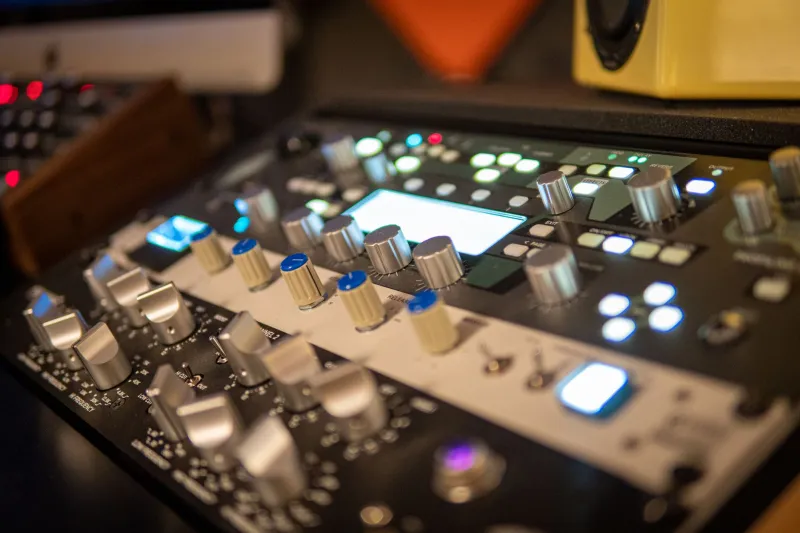
Keep your studio setup accessible and low-friction for late-night use. If you have to boot up multiple pieces of gear and wait for software to load, you'll lose the spontaneous quality that makes these sessions work. Laptop-based setups with a good audio interface and minimal routing tend to serve this kind of work better than elaborate hardware chains.
Give yourself permission to record rough. The midnight session is not the time for meticulous editing. Capture the ideas, let the cat do whatever the cat is going to do, and save the critical listening for daylight.
And maybe most importantly — stop treating your cat's nighttime activity as an interruption to your creative process. For a lot of indie artists, it's starting to look a lot more like the process itself.
Your cat has been trying to tell you something. It just took a few thousand late-night sessions for the rest of us to start listening.