Paw Tracks on the Console: Accidental Cat Moments Indie Producers Keep
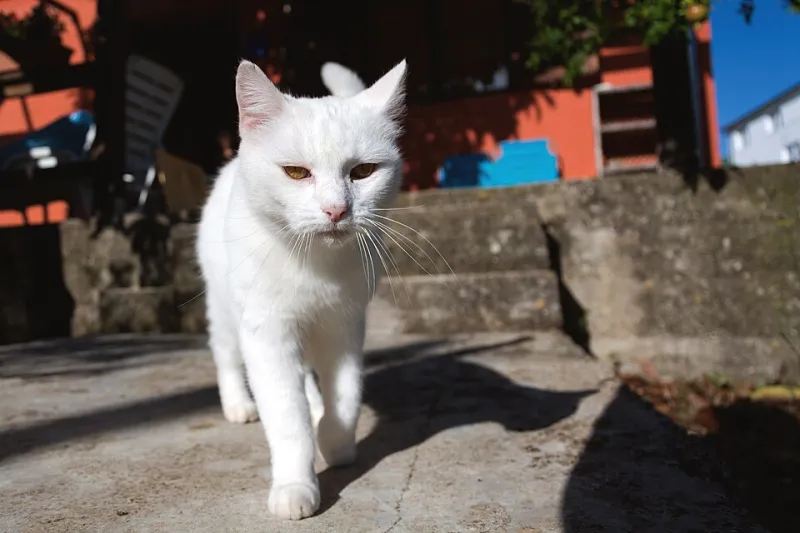
Photo: Martin Vorel, CC0, via Wikimedia Commons
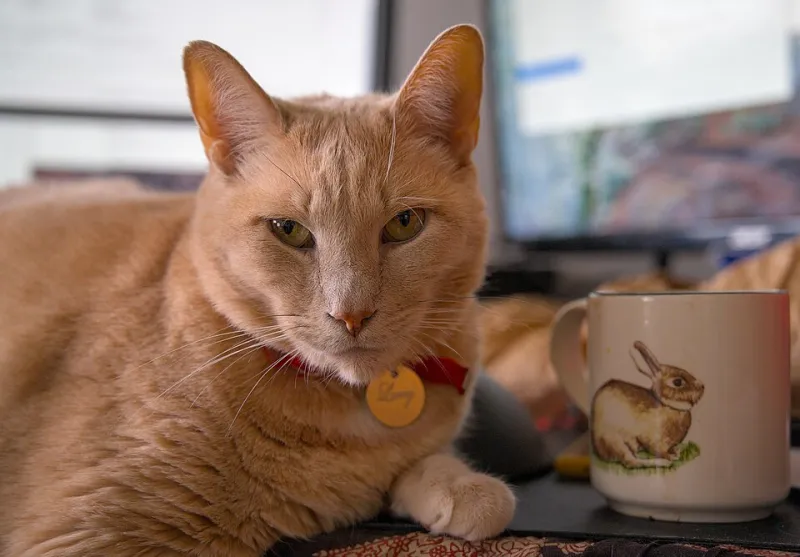
If you have spent any time in a home studio, you know the sound. A soft thump. A paw on a key. A tail dragging across a filter knob. The cat has entered the chat, and the take is never quite the same.
Most of the time, the moment gets scrapped. But sometimes it does not. Across indie production, cats have a long history of accidentally contributing to records: paw-pressed arpeggios, tail-swiped filter sweeps, purrs bleeding into quiet passages, and microphone bumps that somehow become percussion. In 2026, with more artists recording in bedrooms and small project studios than ever, those moments are less of a novelty and more of a shared studio reality.
This is a field guide to the accidental cat moment, why producers keep them, and how to capture the chaos without letting it wreck the session.
1. The paw-pressed arpeggio
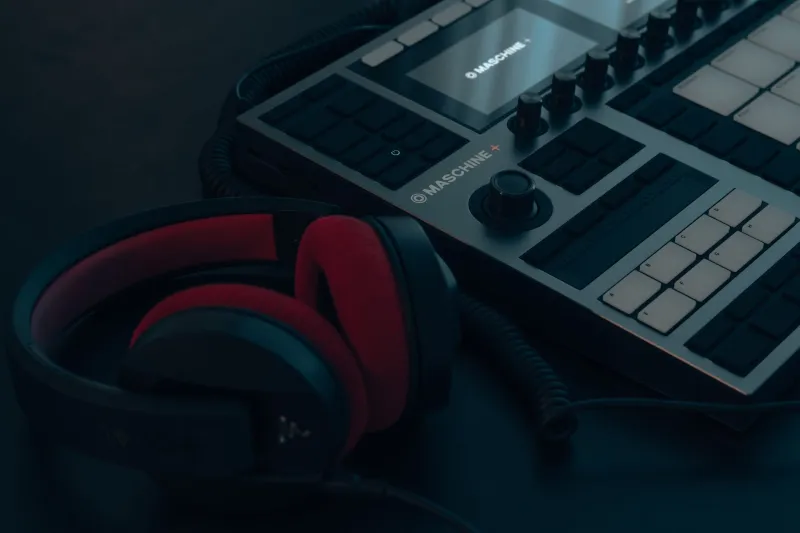
This is the classic. A cat jumps onto a MIDI keyboard or a synth, lands on a few keys, and creates a cluster of notes that no human would have played on purpose. Sometimes it sounds like a mistake. Sometimes it sounds like a weird, beautiful arpeggio that the producer could not have written.
The reason it works is timing. A cat does not know where the beat is. That means the notes often land slightly off-grid, which can create a loose, human feel. Producers who keep these moments usually chop them, quantize them lightly, or loop a single accidental phrase. The result is a texture that feels found rather than forced.
2. The tail-swiped filter sweep
A tail is a very efficient knob-turner. One swipe across a filter cutoff can create a sudden sweep that sounds like a deliberate transition. Most of the time it is too chaotic to use. But every so often, the sweep lands in the right place and gives the track a moment of movement that feels organic.
The trick with these accidents is to capture them in context. If the cat swipes a filter while the drums are playing, the sweep has a rhythmic relationship to the beat. If it happens in silence, it is just noise. Producers who keep tail swipes tend to record a lot of takes with the cat in the room and then listen back for the one that accidentally works.
3. The purr in the quiet part
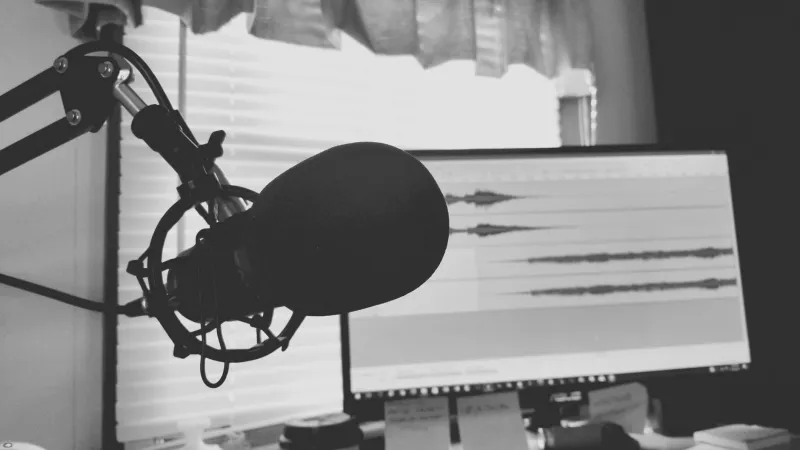
This one is subtler. A cat purring near a microphone can bleed into a quiet vocal take or an acoustic guitar passage. At first, it sounds like a low-frequency rumble. Then you realize it is the cat.
The purr can be a problem if it clashes with the low end. But it can also be a secret weapon. A low purr under a sparse arrangement adds warmth and intimacy. Some producers high-pass it, some leave it alone, and some use it as a layer under the kick. The key is to decide whether the purr serves the song or distracts from it. If it sounds like a noise, cut it. If it sounds like a room, keep it.
4. The microphone bump that became percussion
Cats bump microphones. They rub against stands. They knock pop filters. They step on cables. Most of these sounds are annoying. But a single bump can become a snare ghost note, a click, or a texture if it lands in the right spot.
Producers who work with cats often keep a separate track for room noise and accidents. That way, a bump that would otherwise ruin a take can be isolated, edited, and used as an extra percussion layer. It is not a technique you plan for, but it is one you learn to work with.
How artists decide: keep or scrap
The decision usually comes down to three questions. Does the accident serve the song? Is it distinguishable from a mistake? Can it be edited without losing the feel?
If the answer to all three is yes, the moment stays. If it sounds like a glitch, it goes. The best accidental cat moments are the ones that add something the producer could not have programmed: a little unpredictability, a little warmth, a little chaos.
There is also a practical rule that experienced producers repeat: do not force it. If you try to recreate a cat accident on purpose, it usually sounds fake. The magic is in the accident. The job is to notice it, capture it, and get out of the way.
A practical field kit for capturing chaos
If you want to record with a cat in the room without losing your mind, a few small habits help. Keep a spare track armed for room noise. Use a pop filter and a sturdy mic stand. Put the cat's favorite bed near the console, not on it. Take breaks. Back up your session before the cat walks across the keyboard.
It also helps to label takes. A file called 'vocal take 3' is easy to ignore. A file called 'vocal take 3 with purr' is easier to find later. Small organizational moves make accidental moments usable instead of forgettable.
And if the cat does walk on the synth, let it finish. You can always delete the take. You cannot always get the moment back.
The takeaway
Cats are not production tools. They are cats. But in the messy, improvisational world of indie recording, they have a way of reminding producers that not everything has to be planned. Sometimes the best part of a track is the part nobody meant to record.