When the Cat Content Stops Feeling Like You: Inside the Indie Artists Ditching Feline Branding to Find Their Real Sound
There's a moment a lot of indie artists know but rarely talk about out loud. It usually hits sometime after the third or fourth cat-themed post blows up — after the streams tick upward and the follower count does that thing you've been hoping it would do for years. The moment where you sit back, look at your own feed, and think: who even is this person?
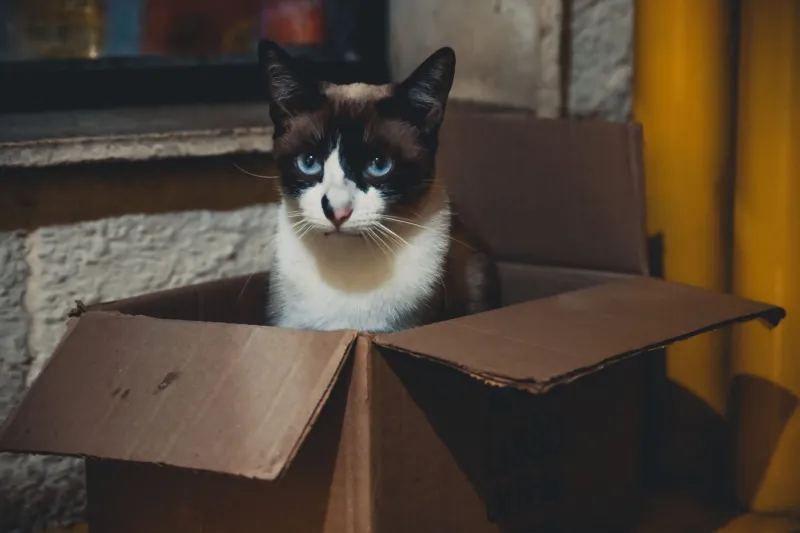
For a certain wave of independent musicians, feline aesthetics weren't just a branding choice. They were a lifeline. Cat content converts. Cat visuals earn shares. Pair a lo-fi beat with footage of a sleepy tabby and you've basically handed the algorithm exactly what it wants. But what happens when the shortcut becomes the road — and the road leads somewhere you never actually wanted to go?
The Pipeline Nobody Warns You About
Here's how it tends to unfold. An indie artist posts something half-joking — a clip of their cat wandering through a home studio session, maybe a beat with a purr looped into the intro. It pops off. Comments flood in. New followers arrive specifically for that energy. And suddenly, the artist has a choice that doesn't feel like a choice at all: keep feeding the thing that's working, or risk losing the momentum you've spent years trying to build.
The music industry has always had its version of this trap. Get one radio hit and spend the next decade being asked to recreate it. But the social media era has compressed that cycle down to weeks. Cat-adjacent branding can lock an artist into an identity faster than almost any other niche — because the audience that shows up for the cats is often a different audience than the one that would show up for the music.
That gap is where the real tension lives.
'I Felt Like I Was Performing a Version of Myself'
Talk to indie artists who've been through this cycle and a few themes keep coming up. The first is exhaustion — not just the regular kind that comes from content creation, but a specific creative fatigue that kicks in when your output stops feeling like expression and starts feeling like product management.
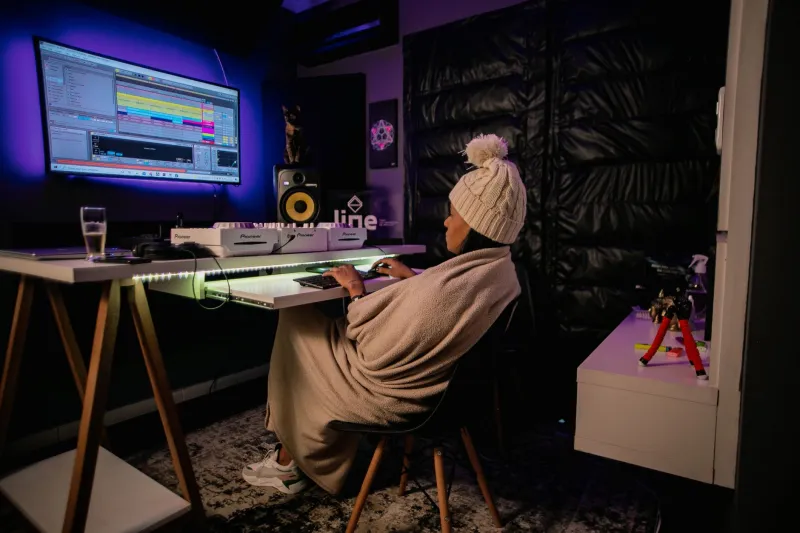
One Brooklyn-based producer who spent the better part of a year leaning into cat-themed visuals described it this way: the music itself started changing. Not intentionally. But when you know a certain aesthetic is going to be received well, you start unconsciously writing toward it. Softer textures. Warmer tones. Nothing too challenging or abrasive. Safe.
"I looked back at stuff I made before any of this blew up and I didn't recognize the instincts anymore," she said. "I used to make music that made people uncomfortable in a good way. Then I was just making vibes."
The second theme is audience mismatch. When your most engaged followers found you through cat content, they often want more cat content. They're not necessarily interested in where your music is actually going. Which means every pivot feels like a betrayal — and artists internalize that feedback in ways that quietly reshape their creative decisions.
The Psychology of Getting Pigeonholed
Branding experts will tell you that a niche is an asset. And to a point, that's true. But there's a meaningful difference between a niche that reflects who you genuinely are and one that reflects what happened to go viral one Tuesday afternoon.
The psychological toll of the second kind is real and underappreciated. Identity foreclosure — the term psychologists use when someone commits to an identity without fully exploring alternatives — isn't just a teenage phenomenon. Artists experience it too, especially when external validation arrives early and loudly for one particular version of themselves.
When your entire comment section is calling you "the cat music guy," it gets harder to imagine being anything else. Even when you want to.
What Stepping Back Actually Looks Like
The artists who've successfully navigated this transition tend to share a few common approaches.
The first is a deliberate slowdown rather than a hard break. Going cold turkey on the aesthetic that built your audience often reads as erratic and alienates people who might have followed you through a gradual shift. Pulling back the cat content incrementally — while simultaneously increasing the presence of the actual music — gives the audience time to either grow with you or self-select out.
The second is recontextualizing rather than rejecting. Some artists have found ways to keep the feline world in their orbit without letting it define their entire brand. Cats become one element of a larger visual universe rather than the whole story. The music moves to the foreground. The cats become set dressing instead of the headline act.
The third — and honestly the hardest — is getting comfortable with smaller numbers for a while. Audience size almost always dips when you stop feeding the algorithm's preferred version of you. The artists who make it through that dip are usually the ones who've built a small but genuinely invested core audience first. The ones who prioritized depth over reach, even when reach felt more urgent.
The Credibility Question
There's a real conversation happening right now in indie music circles about what cat-adjacent branding actually does to long-term artistic credibility. Some artists don't care — and that's a completely valid position. If the cat content is genuinely joyful, genuinely connected to who you are, and genuinely serving the music, then there's no dilemma here. Cat Music exists precisely because that intersection is real and worth celebrating.
But the artists who are wrestling with this question deserve to have it taken seriously. Because the tension between going viral and going deep is one of the defining creative challenges of independent music in 2025. And the feline internet just happens to be one of the most seductive and efficient shortcuts the algorithm has ever offered.
The question worth sitting with isn't whether cats belong in indie music. They clearly do, and they always will. The question is whether the version of you that the cat content produces is a version you actually want to be.
On Your Own Terms
The artists who come out the other side of this tend to describe a similar feeling: a kind of quiet reclamation. The music gets stranger again. The instincts come back. The audience that stays is smaller but pays actual attention.
One artist put it simply: "I stopped making content for cats. I went back to making music for people." Then she paused. "My cat still shows up in my videos sometimes. But it's her choice now, not mine."
That might be the most honest version of the whole thing. Cats are going to do what they want anyway. The artists who figure that out — and apply the same logic to their own creative lives — tend to end up somewhere much more interesting.