New Box, Same Cat: How Serial Reinvention Is Becoming the Indie Artist's Greatest Superpower
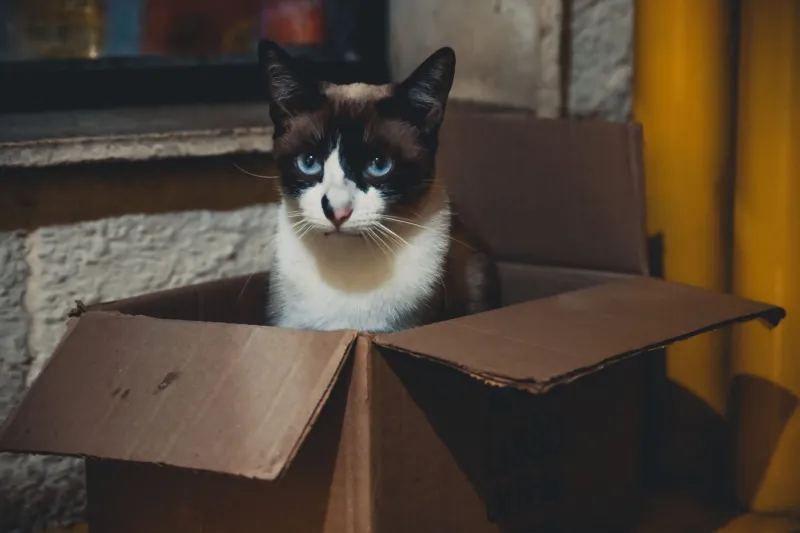
Anyone who's ever watched a cat discover a cardboard box knows the drill. Full commitment. Absolute joy. And then, about three days later, total indifference—because a better box showed up. There's no guilt, no apology tour, no brand consultation. The cat just moves on, and somehow, everyone still loves the cat.
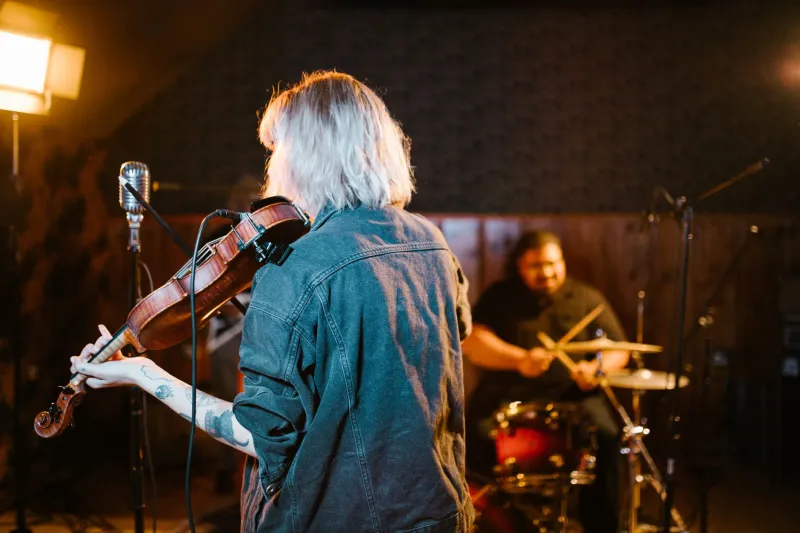
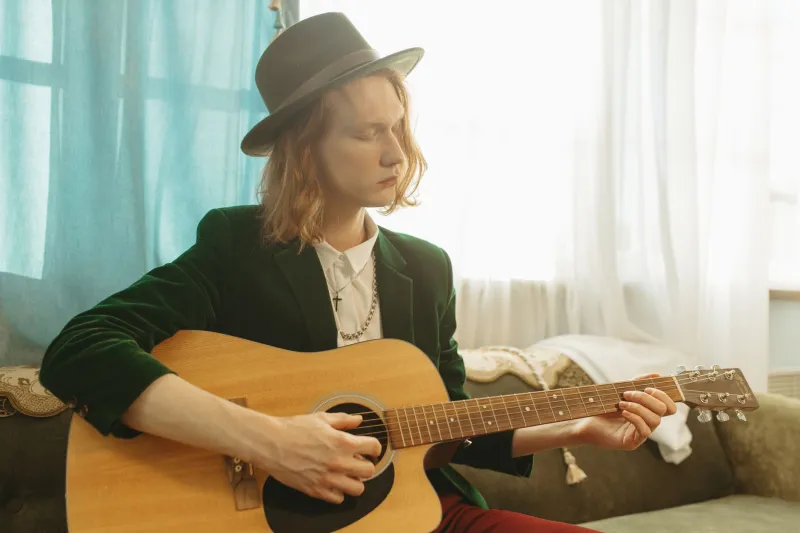
A growing number of indie artists are starting to operate the same way. They're switching genres, blowing up their aesthetics, jumping between platforms, and rebuilding their sound from scratch—sometimes more than once, sometimes more than twice—and they're not losing their audiences in the process. If anything, the pivots are what's keeping people hooked.
The music industry's traditional advice has always been to find your lane and stay in it. Build a brand. Be consistent. Make it easy for algorithms to understand you. But that framework was built for a different era, and for a certain kind of artist, it's starting to feel less like a strategy and more like a cage.
Why Consistency Is Overrated (Ask Any Cat)
Here's the thing about consistency: it's a tool, not a law. Labels have historically pushed it because it makes marketing easier and catalog management cleaner. But independent artists don't have those same institutional pressures. They answer to their listeners, their instincts, and their rent—not a quarterly report.
When a cat jumps into a new box, it isn't abandoning its identity. It's still the same animal with the same personality, the same weird 3 a.m. energy, the same tendency to knock things off tables. The box just changes. Indie artists who reinvent themselves successfully understand this distinction deeply. The core of who they are—their voice, their values, their emotional honesty—stays intact. Everything else is just packaging.
Take the arc of someone like Kishi Bashi, the Seattle-based indie artist who's moved between baroque pop, orchestral experimentation, and politically charged folk narratives over the course of his career. His audience didn't fragment when he pivoted—they followed, because the emotional throughline was always there. The box changed. The cat stayed.
The Three-Pivot Rule
There's an informal pattern emerging among indie artists who've pulled off multiple reinventions without career implosion. Call it the three-pivot rule: by the third significant shift in sound or presentation, the reinvention itself becomes part of the brand.
Listeners stop being surprised and start being excited about what's coming next. The artist's willingness to evolve becomes a feature, not a bug. The audience essentially signs up for the journey rather than a specific destination.
This is a fundamentally different relationship than the one built around consistency. Instead of fans who expect you to sound exactly like your last record, you end up with fans who show up because they don't know what to expect. That's a harder audience to build, but it's also a much harder audience to lose.
Bedroom pop artist Clairo is a solid example of this in action. She went from lo-fi bedroom recordings that felt almost accidental to the lush, meticulously arranged Sling without losing the core fanbase she'd built. The aesthetic changed dramatically. The intimacy didn't. People followed the intimacy.
Platform Pivots Count Too
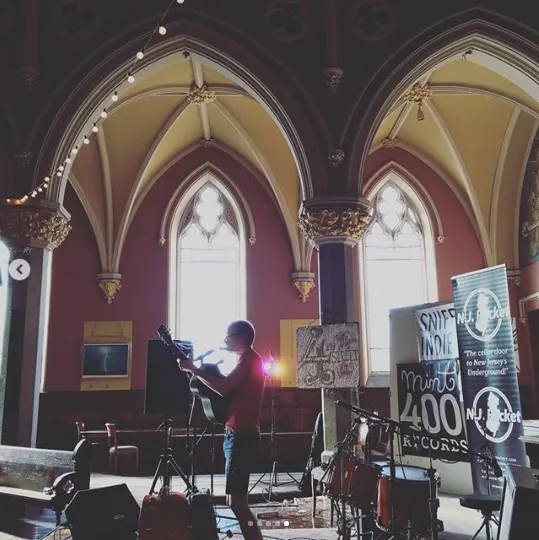
Reinvention isn't just about sound. Some of the most interesting indie pivots happening right now are platform-level moves—artists who built audiences on SoundCloud migrating to Bandcamp, YouTube-first creators going deep on Substack, TikTok-born musicians suddenly treating Instagram like a ghost town and pouring everything into live shows and Discord communities.
Each platform shift is its own kind of reinvention because it forces a rethinking of how you communicate, what you share, and what version of yourself you put forward. A two-minute TikTok presence requires a completely different artistic identity than a 45-minute Bandcamp deep-cut experience. Moving between them isn't just a marketing decision—it's almost a creative one.
And much like a cat who's decided the windowsill is better than the couch this week, the best indie artists make these moves with a certain unbothered confidence. They're not fleeing a platform so much as gravitating toward the one that fits the current version of their work.
The Fanbase That Actually Survives Genre Shifts
One of the biggest fears artists have about reinventing is losing the people who found them in the first place. It's a real risk. But the data—and more importantly, the anecdotal evidence stacking up across indie music forums, Patreon comment sections, and Reddit threads—suggests the risk is smaller than most artists think.
Fans are more sophisticated than the industry gives them credit for. They understand that artists grow. What they don't forgive as easily is inauthenticity—the sense that a pivot was made for commercial reasons rather than creative ones. The artists who lose audiences during reinventions are usually the ones who made the change feel calculated. The ones who keep their fans are the ones who made the change feel inevitable.
There's a transparency element here too. Indie artists who bring their audience along for the process—who talk openly about why they're shifting directions, who share the new influences they're obsessing over, who maybe post the awkward in-between demos that don't sound like anything yet—tend to retain more goodwill during transitions. It's the difference between a cat that disappears for three days and one that at least knocks over your water glass on the way out so you know something's happening.
Reinvention as Longevity Strategy
Zoom out far enough and serial reinvention starts to look less like chaos and more like the most sustainable long-term strategy an indie artist can have. Artists who stay rigidly in one lane run a real risk of becoming synonymous with a moment rather than a body of work. When that moment passes—and it always passes—they're left trying to recreate something that can't be recreated.
Artists who reinvent, though, are always in motion. They're never entirely dependent on the cultural conditions that made their last era work. They've built a muscle for adaptation, and that muscle doesn't atrophy just because a trend cycle ends.
Cats, for all their reputation for laziness, are actually extraordinary adapters. They've survived ice ages, domestication, and the internet. They've lived in palaces and alleys with equal success. The secret isn't that they're tough—it's that they're flexible while remaining completely, stubbornly themselves.
That's the model. New box. Same cat. Over and over again, for as many lives as it takes.
The Permission Slip You Didn't Know You Needed
If you're an indie artist sitting on a batch of songs that sound nothing like your last project, or staring down a platform migration you've been too nervous to commit to, or sketching out a visual identity that would confuse everyone who found you three years ago—consider this your permission slip.
The industry's obsession with consistency was never really about protecting artists. It was about protecting catalogs, marketing budgets, and the people who profit from predictability. You don't work for those people.
You work for the version of yourself that keeps showing up to the studio at weird hours, chasing something that doesn't have a name yet. That version deserves a new box whenever the old one stops fitting.
And if your actual cat is sitting in that new box right now, refusing to move, watching you figure all of this out—well. They've been trying to tell you something this whole time.