One Artist, Seven Platforms, Zero Overlap: Inside the Multi-Identity Playbook Indie Musicians Are Running Right Now
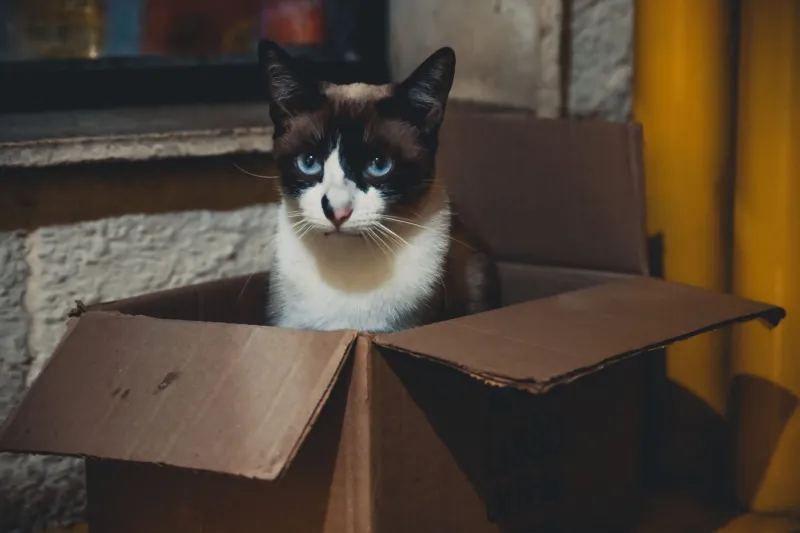
There's an old saying that cats always land on their feet. What people don't mention is that cats also have nine lives — and a growing number of indie artists are quietly borrowing that same logic when it comes to how they exist online.
Forget the single-profile, one-genre, post-and-pray approach. A new wave of independent musicians is building multiple distinct project identities across different streaming platforms, each one calibrated to a specific audience, aesthetic, and release cadence. Think of it like a cat with a different personality depending on which room of the house they're in — laser-focused hunter in one, boneless couch loaf in another.
The question is whether this strategy is a genuine long-game move or a fast track to creative burnout.
Why One Profile Isn't Cutting It Anymore
Here's the reality of streaming in 2025: the algorithm on Spotify doesn't think the same way the algorithm on SoundCloud does. TikTok's discovery engine rewards completely different behavior than Bandcamp's community-driven browsing model. YouTube Music operates on its own planet entirely.
For artists who make music across multiple genres — or who want to experiment without confusing their existing listeners — maintaining a single unified identity across all these platforms is increasingly counterproductive. You end up either flattening your sound to fit one lane or constantly alienating one segment of your audience to serve another.
So some artists are simply... not doing that anymore.
Tamara Reyes, a producer and singer-songwriter based out of Austin, Texas, runs three separate project names across five platforms. Her main artist profile lives on Spotify and Apple Music, where she releases polished indie-pop with a clear aesthetic and a dedicated following she's built over four years. On SoundCloud, she operates under a different alias entirely — raw, experimental beat work that she describes as "the stuff I make at 2 a.m. when my cat knocks something off the shelf and I decide to just stay up." Her third project is a lo-fi ambient channel on YouTube, built specifically around sleep and study playlists, which she says generates more monthly listeners than her main project despite requiring the least amount of promotional effort.
"They don't know it's all me," she says, laughing. "And honestly? That's kind of the point."
The Fragmentation Is the Feature
What Tamara is describing isn't accidental — it's architectural. Each project has its own visual identity, its own release schedule, and its own engagement model. The indie-pop profile gets the full rollout: pre-saves, press pitching, playlist outreach, social content. The SoundCloud alias drops music with almost no promotion and grows purely through platform discovery and community shares. The YouTube ambient channel is essentially on autopilot, refreshed every few months with new material that barely requires a social post.
"I stopped thinking of them as the same career and started thinking of them as different income streams with different personalities," she explains. "Like, my cat has different energy depending on whether I'm working from home or I've been gone all day. Same creature, completely different vibe."
Marco Delgado, a Chicago-based producer who makes everything from trap-influenced R&B to hyperpop, takes a slightly different approach. Rather than hiding the connection between his projects, he's deliberately vague about it — hinting at the relationship without confirming it, which he says has turned his most curious fans into active detectives.
"People love finding the thread," he says. "I dropped something under a different name last fall and within two weeks someone on Reddit had already figured out it was me. That post drove more traffic to my main profile than any ad campaign I've ever run."
What Each Platform Is Actually Good For
The artists doing this well aren't just scattering music randomly. They've done the homework on where each platform's strengths actually lie.
Spotify remains the gold standard for algorithmic playlist placement and discovery through editorial. Artists with clean, genre-consistent catalogs get rewarded here. It's not the place for experimentation — it's the place for your most polished, marketable work.
SoundCloud still has genuine cultural cache in certain communities, particularly in electronic, hip-hop, and lo-fi circles. It rewards frequency and raw authenticity over production polish. A lot of artists use it as a testing ground — a place to drop ideas that haven't fully formed yet.
Bandcamp is almost entirely community-driven and works best for artists with a dedicated niche following who are willing to pay directly for music. It's a different kind of relationship with listeners — more intimate, less algorithmic.
YouTube is search-based discovery, which means it rewards evergreen content. Lo-fi study music, sleep playlists, long-form ambient projects — these can generate passive streams for years if they're tagged correctly.
TikTok is its own animal entirely: pure virality potential with almost no long-term catalog value. It's a top-of-funnel tool, not a streaming home base.
Knowing which project belongs where is half the battle.
The Burnout Question Nobody Wants to Answer
Here's where the strategy gets complicated. Maintaining multiple distinct creative identities isn't just a logistical challenge — it's a psychological one. Every alias needs content. Every platform needs tending. Every audience has expectations.
Tamara is honest about the cost. "There are weeks where I feel like I'm running three different small businesses that all happen to involve me singing into a microphone," she admits. "My actual cat has a better work-life balance than I do."
Marco has scaled back after what he describes as a "pretty ugly" six-month stretch last year where he was managing four active projects simultaneously. "I had to let one of them go dormant. Not delete it, just... stop feeding it. It still gets streams. But I'm not actively building it anymore."
The artists who seem to navigate this most successfully are the ones who build asymmetry into the model from the start — meaning not every project requires the same level of attention. One flagship project gets 80% of the energy. The others exist in lower-maintenance modes, releasing when inspiration strikes rather than on a manufactured schedule.
Is It Sustainable? Probably. Is It for Everyone? Definitely Not.
The multi-identity playbook works best for artists who are genuinely multi-genre, who have the bandwidth to manage complexity, and who find creative freedom in the separation of their projects rather than feeling fractured by it.
For artists who thrive on a single cohesive narrative — whose brand IS their name, whose audience follows them as a person rather than a sound — fragmenting into multiple aliases might do more harm than good.
But for the right kind of musician? The one who makes ambient drone music AND aggressive synth-pop AND soft acoustic folk and can't figure out how to package all of that into one Spotify profile without giving their listeners whiplash? This approach isn't just viable. It might be the only way to keep all those creative lives alive at once.
Cats don't apologize for being different things in different contexts. Maybe indie artists shouldn't have to either.