Clause 12: How Feline Care Became Real Paperwork in Indie Touring

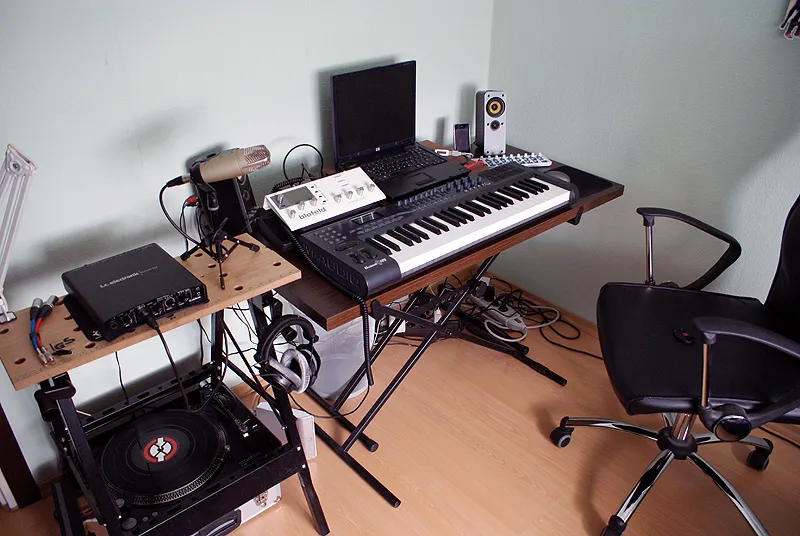
Photo: jenniferlinneaphotography from Denver, CO, USA, CC BY 2.0, via Wikimedia Commons
Ten years ago, a cat on a tour rider would have read as a bit. Today it reads as a paragraph, sometimes two, and occasionally an appendix with a feeding schedule attached. Somewhere between the van tours of the 2010s and the current wave of mid-size indie touring, feline care moved from the margins of a contract to the part promoters actually read.
"I used to slip it in as a joke at the end," said Wren Halloway, who tours solo under the name Paper Lantern out of Columbus, Ohio. "Now it is item four. It is above the drink list. It has to be, or I do not play the date."
What Actually Goes in a Cat Rider
The documents vary, but the recurring sections are consistent.
Lodging requirements. Ground floor or elevator access. A door that closes properly. No shared-airbnb situations where the cat can slip into someone else's room. Several artists now specify a maximum drive time between cities, usually around five hours, because long hauls mean long stretches in a carrier.
Green room boundaries. A closed door, a sign on it, and no crew traffic. This is less about drama and more about the fact that a venue with three loading doors and a bar crowd is not a safe place for an animal that has never seen a loading dock.
Soundcheck timing. A handful of riders ask for a specific window so the artist can feed and settle the cat before doors, rather than sprinting from the van to the stage.
Emergency contacts. The name and number of a vet in each city, or at minimum a 24-hour clinic. Artists who tour with cats tend to build this list in advance and keep it in a shared document.
A sitter line item. For artists who travel with a cat, a local sitter for two or three hours around showtime is increasingly normal, and promoters sometimes cover it as part of the guarantee.
Two Paths, One Contract
The road splits cleanly. There are artists who bring the cat and artists who leave the cat home well, and both groups now write things down.
For the touring-with-cat group, a typical run is regional: eight to twelve dates, drivable, mostly clubs and small theaters. The cat travels in a hard-sided carrier secured with a seatbelt, and the rider includes an explicit note that the animal is not to be handled by venue staff. A duo from Richmond, Virginia, told me they will not book a show where the green room has no closing door, and they have walked dates over it. They have also lost dates over it. They consider the trade worth it.
For the leaving-the-cat-home group, the paperwork is different and, in some ways, more detailed: a custody calendar for split households, a sitter with keys and a written medication schedule, and check-in calls built around load-in. One artist in Denver keeps a shared calendar that lists who is feeding the cat on which day, synced with the tour schedule, so nobody double-feeds or misses a dose. It is the least glamorous document in independent music and possibly the most important.
The Math Nobody Puts on the Poster
Cost is where the conversation gets real. Artists I spoke with put the daily premium of touring with a cat somewhere between $40 and $90 a night once pet fees, extra room charges, and reduced room-sharing are counted. Pet fees at mid-range US motels commonly land between $25 and $75 per night, and they are rarely negotiable. Multiply that by a two-week run and you are looking at a meaningful slice of the guarantee.
Staying home has its own math. A reliable daily sitter in a mid-size US city runs roughly $25 to $45 a visit in 2026, and most cats need at least one visit a day. A ten-day tour means ten days of visits, plus a buffer day on either end. Some artists budget it as a fixed tour expense alongside fuel and lodging, which has the side benefit of making the number visible when the tour is being planned rather than after.
There is also the invisible cost of the wrong choice. Cats are routine animals, and a disrupted routine shows up in ways that are hard to fix from a green room 400 miles away. Several artists described cutting runs short or paying for an extra sitter day simply because the cat stopped eating normally.
The Green Room Reality Check
Venue cooperation varies wildly, and it tends to track with how the request is framed. A promoter who gets a one-line demand to accommodate a cat will balk. A promoter who gets a short, clear note about a closed room, no crew traffic, and a sitter handling the animal will usually say yes, because it costs them almost nothing.
The boundaries that artists report as non-negotiable:
- The cat does not go on stage. No exceptions, no costume moments.
- The cat does not meet the audience, even the very nice ones.
- The green room door stays closed during load-out.
- No one feeds the cat but the artist or the designated sitter.
That last one is not paranoia. Cats that get snacks from four different people on a Tuesday tend to have a worse Wednesday.
What This Means for Smaller Artists
The cat rider is not a trend for artists with tour managers. It is a set of habits developed by people who do their own advancing, load their own gear, and have learned that writing something down is cheaper than improvising at 6 p.m. in a strange city.
Halloway put it plainly. "Nobody is going to care about my cat as much as I do, and that is fine. That is why it goes in the contract. Not because I am difficult. Because I have done the version where I did not write it down, and I am not doing that again."