Cat Café Gigs Are Splitting Indie Artists: Inside a Strange New Tour Stop
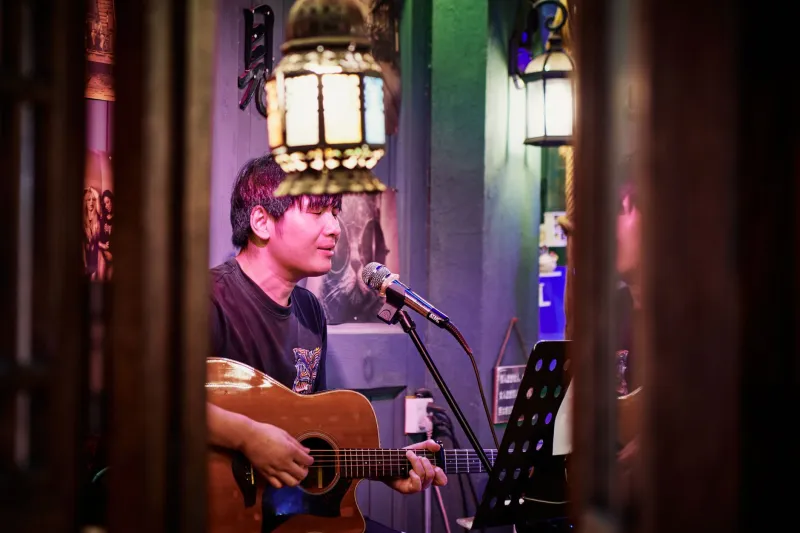
Cat cafés have spent the past few years multiplying across the US, and by 2026 they are a familiar sight in cities like Brooklyn, Austin, Portland, Chicago, and Los Angeles. Most exist for a simple reason: people want to drink coffee near adoptable cats. But a smaller, stranger side effect is now playing out on weekends, when indie musicians haul acoustic guitars, small synths, and loop pedals into rooms designed around rescue animals.
For some artists, the cat café is the ultimate low-pressure gig. For others, it is a distraction from the serious work of building a music career. The disagreement is not really about cats. It is about what counts as a real show in a market where traditional venues are expensive, payouts are thin, and attention is scattered.
The case for the cat café gig
The appeal starts with the room. A cat café already has a built-in audience: people who have opted into a cozy, quiet experience and are often willing to stay for an hour. That is a very different crowd from a bar where half the room is watching a game and the other half is shouting over it. Artists who play these spaces say the listening is surprisingly good, especially for stripped-down sets.
There is also the practical math. Traditional venue shows can mean load-in costs, soundchecks, ticket splits, and a late night. A cat café set is often shorter, earlier, and simpler. Some venues pay a flat fee; others let artists sell merch by the door or run a tip jar. For a solo artist with a small following, that can be more useful than a poorly attended club gig across town.
The content angle is hard to ignore, too. A musician playing among cats is inherently visual. Clips travel. Photos travel. A single afternoon can produce a month of social posts without feeling like a forced campaign. Artists who are comfortable with that dynamic see it as a fair trade: the café gets atmosphere, the musician gets exposure, and the cats get attention.
The pushback is not just snobbery
The critics have real points. Cat cafés are not designed as music venues. Rooms can be small, surfaces are soft, and the sound can turn muddy fast. Allergies are another issue. Some guests come for the cats and not for a live set, and a musician with a guitar can change the vibe in a way that makes the room feel less calm. Owners have to balance both experiences.
The bigger concern is the cats themselves. Rescue animals are not a backdrop. Loud noise, sudden moves, and crowded rooms can stress them out. Responsible cafés usually have rules about volume, set length, and where performers can stand. But those rules vary widely, and not every venue enforces them well. Artists who have played these rooms say the best ones put the animals first and treat the music as a bonus, not the main event.
There is also the career question. Some artists worry that cat café gigs reinforce the idea that feline branding is a gimmick. If every show becomes a photo op, does the music get heard? That tension is real, especially for indie musicians who already feel pressure to be content creators first and songwriters second.
What a good cat café set actually looks like
Artists who have figured it out tend to follow a similar playbook. Keep the setup small. Acoustic instruments, a compact amp, and a loop station usually work better than a full band. Play shorter sets with clear breaks. Ask the café about sound limits before booking. Bring covers of songs that people know, but do not turn the whole set into background music.
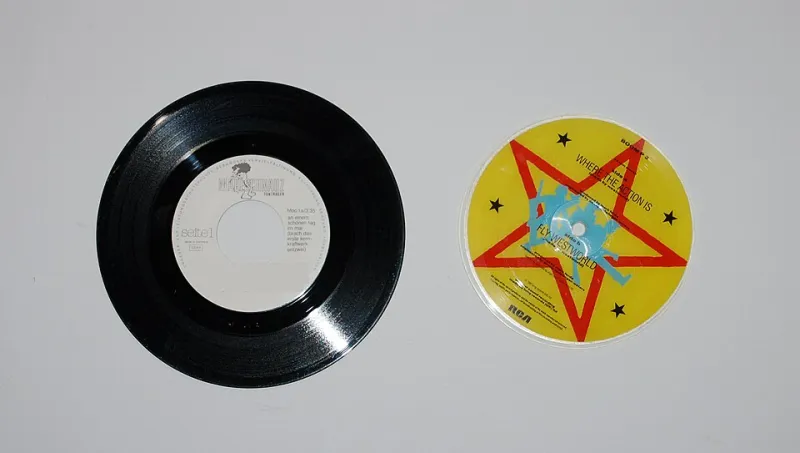
Merch matters. A small table with vinyl, cassettes, or hand-printed shirts can do more for an indie artist than a tip jar alone. And the best gigs tend to be the ones where the artist talks about the rescue organization, not just the music. That does not mean turning the set into a PSA. It means respecting the room enough to know why it exists.
The verdict is still out
In 2026, the cat café gig is not yet a standard tour stop. It is a niche experiment, and it works best when both sides are honest about what they are getting. For artists who want a quiet room, a built-in audience, and a low-stakes way to test new material, it can be a genuinely good show. For artists who need a proper stage, a loud crowd, and a clear paycheck, it is probably not worth the detour.
The great catnip divide, then, is less about cats than about expectations. Treat the café as a venue and you may be disappointed. Treat it as a partnership with a rescue organization and a room full of curious listeners, and it starts to make more sense.