Nobody Made Cat Memes Go Viral. Here's What Indie Musicians Keep Getting Wrong About Attention.
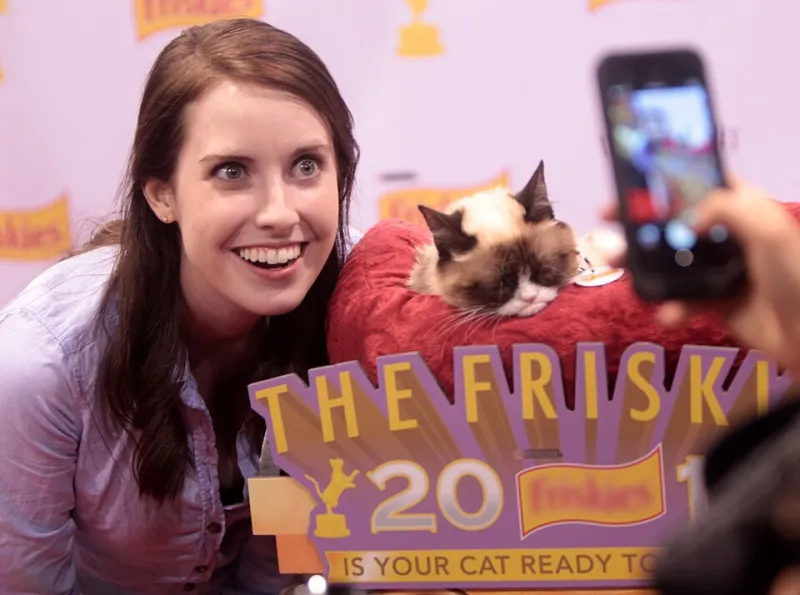
Photo: Gage Skidmore, CC BY-SA 3.0, via Wikimedia Commons
Let's be honest about something: the music marketing industrial complex has a lot of opinions and very few receipts. Meanwhile, a photo of a cat looking mildly inconvenienced has been shared four billion times since 2015.
We're not saying cat memes are a marketing masterclass. We're saying they might be the only marketing masterclass that's ever actually worked at scale, for free, forever. And indie musicians who study how they spread will learn more in an afternoon than a $997 course will ever teach them.
Tactic 1: Relatability Beats Production Value
Nobody has ever shared a cat meme because of its color grading. They share it because they thought "oh my god, that's my cat, that's my life, that's me."
The lesson for artists: your most shareable content probably isn't the polished studio performance. It's the clip of you writing a verse at 2 AM surrounded by energy drink cans. Relatable beats impressive every single time on the shareability index.
Tactic 2: Low Effort Is a Feature, Not a Bug
Cat memes thrive because they feel effortless — a snapshot, a caption, done. This signals authenticity in a way that overproduced content never can. Indie artists have a structural advantage here: you're already low-budget. Stop apologizing for it. A phone-recorded moment from your kitchen is more meme-adjacent — and more shareable — than anything your laptop render queue produces.
Tactic 3: Timing Is the Whole Game
Memes die in days because they ride moments. The best cat meme accounts post when the internet is bored: lunchtime, the post-work scroll, Sunday evening dread. Music marketing loves to talk about "release strategy" but ignores posting rhythm entirely. Your cat meme friends understand something you don't: when matters more than what.
Tactic 4: Repetition Builds Iconography
Grumpy Cat wasn't a one-off. The same face, the same frown, reposted thousands of times, became an icon through sheer repetition. Indie artists constantly churn out new content when they should be hammering a recognizable visual or bit until it sticks. Pick a look, a catchphrase, a recurring studio cat. Then repeat it until people can identify you from a thumbnail.
Tactic 5: Let the Audience Do the Work
Here's the genius of the meme economy: it's participatory. People caption their own cats, remix the formats, build on the joke. Most music marketing is a broadcast. Meme logic is an invitation. Post the template, not just the content. Ask people to put their own spin on your hook, your cover art, your cat. The audience that creates with you stays with you.
The Uncomfortable Takeaway
There's a reason this argument stings a little: indie artists spend enormous energy trying to sound like a label when the internet has already told us what wins. Authenticity, consistency, timing, and a little self-deprecation. Cats figured it out. The artists who figure it out next will be the ones who stopped taking marketing advice from people with less viral receipts than a tabby.