Whiskers to Verified: The Indie Artists Who Went Viral With Cat Aesthetics and Never Looked Back
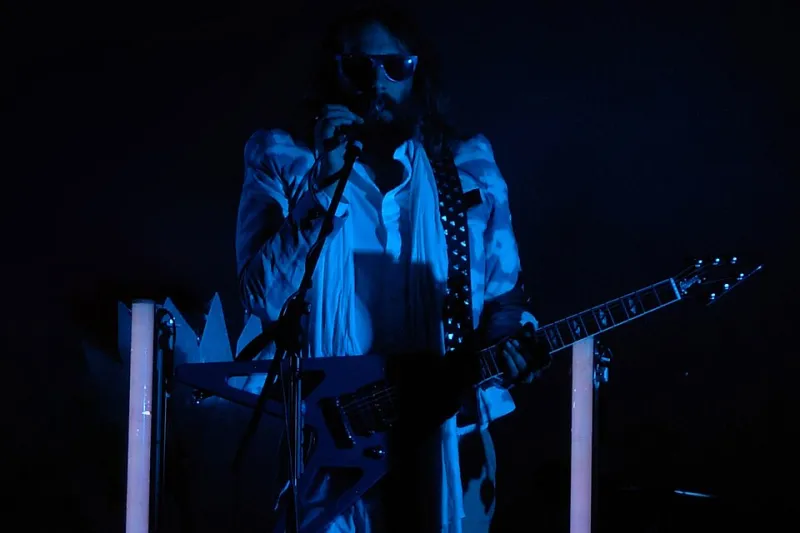
Photo: Danilo Samà · www.danilosama.ph, CC BY-SA 4.0, via Wikimedia Commons
Let's get one thing straight upfront: this isn't a story about novelty acts or internet one-hit wonders. The five artists profiled below are legitimately talented musicians who happened to discover that cats — their look, their energy, their sheer internet dominance — were the missing piece in their promotional strategy. What followed was a masterclass in modern indie career building.
In a streaming economy where discoverability is everything and TikTok can move more units in 48 hours than a month of radio play, understanding how to capture attention is as important as the music itself. These artists got it right.
The Algorithm Loves Cats (and So Do People)
Before we get into the profiles, it's worth understanding the landscape. Cat content consistently outperforms almost every other category on TikTok, Instagram Reels, and YouTube Shorts. We're talking billions of views annually across the major platforms. That's not a niche — that's a cultural constant.
The smart artists didn't just slap a cat in their thumbnail and hope for the best. They built genuine brand identities rooted in feline aesthetics — visuals, lyrical themes, performance personas — that resonated with the same audiences already spending hours scrolling cat content. The overlap between "cat person" and "indie music listener" turns out to be massive. Who knew.
Luna Claw — From Bedroom Pop to Label Conversations
Luna Claw — the project of 24-year-old Alicia Morrow from Sacramento — had been posting bedroom pop songs to SoundCloud for two years with modest traction when she uploaded a music video for her song "Soft Landing." The video featured her three rescue cats wandering through a softly lit apartment while she sang directly to camera, barely moving, deeply sincere.
It hit TikTok first as a clip. Then it exploded.
"I wasn't trying to go viral," Alicia told us. "I just thought the cats made the video feel less lonely. And I think people felt that."
Within three weeks, "Soft Landing" had 1.2 million Spotify streams. Within two months, she had fielded calls from two independent labels and signed a distribution deal that gave her meaningful playlist placement. Her follow-up EP, Noctural Soft, debuted on the Spotify Viral 50. The cats — Pebble, Fig, and Toast — have their own dedicated fan accounts now.
Tomcat Jones — Hip-Hop's Most Unexpected Breakout
Tomcat Jones (born Marcus Webb, Brooklyn) built his brand around a single, committed aesthetic choice: every visual, every video, every piece of merch features cats drawn in a vintage comic book style. His music is gritty, lyrically dense East Coast hip-hop — the cats are purely visual — but the combination created something that stopped thumbs cold on every platform.
"People see the cat and they click," Marcus explained. "Then they stay because the music is real. That's the play."
His breakout moment came when a TikTok creator used his track "Nine Lives" under a compilation of cats doing parkour. The original sound spread to over 40,000 user-generated videos in under a week. Marcus's monthly Spotify listeners jumped from 8,000 to 340,000 in that same period. He's since toured regionally, released a full-length album, and partnered with an independent streetwear brand on a cat-themed merch drop that sold out in four hours.
Calico Dreams — Synth-Pop With a Feline Twist
The duo behind Calico Dreams — Priya and Sam Okafor, based in Austin — describe their music as "dreamy synth-pop for people who stay up too late." Their cat, an enormous orange tabby named Biscotti, became an accidental co-star when he wandered into the frame during a live stream performance.
The clip of Biscotti sitting directly in front of the camera while Priya sang around him became one of those perfect internet moments — funny, warm, and genuinely musical all at once. The duo leaned in immediately, building subsequent music videos around Biscotti as a recurring character.
The strategy paid off. Calico Dreams now has a dedicated fanbase that refers to themselves as "the Biscotti Brigade," a Patreon with over 800 subscribers, and sync licensing placements in two indie films. "We always had the music," Sam said. "Biscotti gave people a way in."
Meow Meow Club — The Absurdist Pop Project That Got Serious Fast
Not every artist in this story started with serious intentions. Jasmine Tran launched Meow Meow Club as a joke project in college — deliberately silly, cat-themed pop songs with names like "Kibble for Thought" and "Hairball Heart." The joke, however, was executed with genuine pop craftsmanship: tight hooks, professional production, catchy as anything.
TikTok didn't care about the irony. It just heard good pop music with cats in it and responded accordingly.
Jasmine's videos — which feature elaborate cat-ear makeup, cat-inspired choreography, and cameos from a rotating cast of shelter cats — have accumulated over 15 million combined views. She's been featured in a Pitchfork roundup of emerging pop acts, performed at two major US music festivals, and recently confirmed a headline tour for next spring. The joke became the career.
"At some point I realized I wasn't joking anymore," she told us. "The music is genuinely what I want to make. The cats just helped people find it."
Ghost Paw — Ambient Soundscapes and Unexpected Virality
The quietest success story on this list belongs to Ghost Paw, a solo ambient project from Portland's Eli Crane. His music is slow, textural, and deeply patient — not the obvious formula for viral content. But his music videos, which pair long, uninterrupted takes of cats sleeping with soft drones and field recordings, found a massive audience among study, sleep, and focus content communities.
One video — eight minutes of a cat napping in afternoon sunlight over a single sustained chord — has over 4 million YouTube views. His Spotify streams are driven heavily by algorithmic playlist placement in lo-fi, sleep, and focus categories. Monthly listeners hover around 600,000. He's never given an interview before this one.
"I make music for quiet moments," Eli said. "Cats live in quiet moments. It made sense."
What These Stories Have in Common
None of these artists manufactured their cat connection cynically. Each one found an authentic intersection between their personal life, their aesthetic instincts, and the content their audience already loved. The cats weren't a marketing strategy bolted onto the music — they were woven into the identity of the project from the beginning.
That authenticity is the lesson. Audiences, especially younger ones, are remarkably good at detecting when they're being played. What worked for Luna Claw, Tomcat Jones, Calico Dreams, Meow Meow Club, and Ghost Paw was genuine — and people responded to it genuinely in return.
In a music industry that often feels like it's running out of roads for independent artists, that's a pretty hopeful thing to report.
Cats: still the internet's most reliable collaborators.